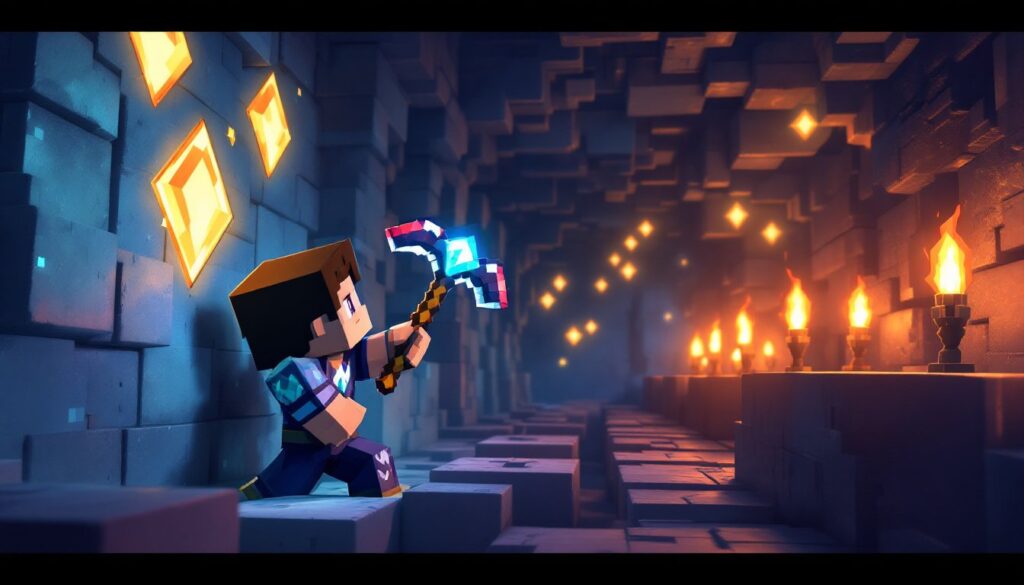
Copper’s been sitting in Minecraft’s inventory since the Caves & Cliffs update dropped (version 1.17, June 2021), and while it didn’t arrive with the fanfare of Netherite or the utility of Redstone, it’s carved out its own niche. This orange-hued ore brings something unique to the table: a building material that literally transforms over time, plus a handful of crafting recipes that range from practical to downright essential. If you’ve been stockpiling copper blocks in your chests without knowing what to do with them, or if you’re just wondering whether copper tools are a thing (spoiler: they’re not), you’re in the right place. This guide covers everything, from efficient mining strategies to creative building applications and the science behind oxidation mechanics. Whether you’re a redstone engineer, a builder chasing that perfect weathered aesthetic, or a survival player looking to max out your resource game, understanding copper uses in Minecraft opens up new possibilities for your worlds.
Table of Contents
ToggleKey Takeaways
- Copper in Minecraft is a versatile building material with a unique oxidation mechanic that transforms blocks from bright orange to teal-green patina over time, offering visual depth no other block provides.
- Mine copper most efficiently at Y-level 48 with a stone pickaxe minimum, but use Fortune III enchantment to triple your raw copper yield from 2-5 to 2-20 drops per ore block.
- Copper crafts into practical items like lightning rods (protect structures from lightning strikes), spyglasses (zoom tool for exploration), and building variants including cut copper stairs, slabs, doors, and trapdoors added in update 1.21.
- Lock copper blocks into your desired oxidation stage by combining them with honeycomb to create waxed copper, which prevents further aging and allows you to build intricate color patterns and intentional weathered aesthetics.
- Common mistakes include building with unwaxed copper expecting it to stay one color, trying to craft copper tools (they don’t exist in vanilla Minecraft), and forgetting copper requires stone-tier tools minimum to successfully mine.
What Is Copper in Minecraft?
Copper is an ore block that generates naturally in the Overworld. Unlike iron or gold, copper doesn’t serve as a tool or armor material, there are no copper tools, copper swords, or copper pickaxes in vanilla Minecraft. Instead, it fills a specialized role as a building material and ingredient for specific utility items.
Copper ore drops raw copper when mined, which you’ll smelt into copper ingots. From there, you can craft copper blocks, cut copper variants, lightning rods, spyglasses, and a growing list of decorative and functional items introduced in updates like 1.17, 1.19, and the recent 1.21 additions.
What makes copper stand out is its oxidation mechanic. Exposed copper blocks weather over time, shifting through four distinct color stages, from bright orange to teal-green patina. This dynamic aging system gives builders a material that evolves with their world, adding visual depth that static blocks can’t match.
In terms of rarity, copper sits comfortably in the mid-tier. It’s far more abundant than diamonds or ancient debris, but less common than coal or iron. You’ll find it in decent quantities once you know where to look.
Where to Find Copper Ore
Copper ore generates in veins throughout the Overworld, but distribution isn’t uniform. Knowing the spawn patterns saves you hours of aimless digging.
Best Y-Levels for Copper Mining
Copper ore spawns between Y-levels -16 and 112, but the sweet spot varies. The highest concentration sits around Y-level 48, making mid-level strip mining your most efficient strategy. Below Y-level 0, copper veins appear larger but less frequently. Above Y-level 48, generation tapers off gradually.
For maximum efficiency, set up your mining operation at Y-level 48. This puts you in the prime generation zone while keeping you above the Deepslate layer, where mining speed drops significantly. If you’re already exploring caves, any exposed copper between Y-levels 0 and 60 is worth grabbing.
Biomes and Locations
Copper generates in all Overworld biomes without preference, mountains, plains, forests, and deserts all hold equal potential. But, Dripstone Caves offer a visual advantage. The contrast between copper’s orange tones and the cave’s grey stalactites makes veins easier to spot.
Large copper veins also exist as rare structures. These massive formations can contain hundreds of blocks, but they’re uncommon enough that you shouldn’t rely on them for steady supply. When you do stumble across one, mark the coordinates, it’s a jackpot worth returning to.
Caves exposed by terrain generation frequently reveal copper along walls and ceilings. Since the 1.18 terrain overhaul, cave systems stretch deeper and wider, giving you more surface area to scan while exploring.
How to Mine and Smelt Copper
Mining copper follows the same basic loop as other ores, but a few details matter for optimizing your haul.
Tools You Need for Copper Mining
You’ll need at minimum a stone pickaxe to successfully mine copper ore. Anything lower, like a wooden pickaxe, breaks the block without dropping raw copper. Iron, diamond, and Netherite pickaxes work just fine, but stone tools get the job done if you’re early in your playthrough.
Deepslate copper ore appears below Y-level 0 and takes significantly longer to mine than standard copper ore. The same tool requirements apply, but factor in the extra time when planning deep mining sessions. Many players expand their Minecraft mining operations to include both standard and Deepslate copper for maximum yield.
Applying the Fortune enchantment (Fortune III specifically) to your pickaxe dramatically increases raw copper drops. Instead of the standard 2-5 raw copper per ore block, Fortune III pushes that range to 2-20 raw copper. If you’re serious about copper farming, Fortune III is non-negotiable.
Smelting Copper into Ingots
Raw copper smelts into copper ingots using any furnace, blast furnace, or smoker. Blast furnaces smelt twice as fast as standard furnaces, making them the preferred option for bulk processing.
Each raw copper yields one copper ingot. The smelting process takes 10 seconds in a standard furnace or 5 seconds in a blast furnace. Stack your raw copper and walk away, there’s no trick to it. You’ll burn through fuel quickly when processing hundreds of raw copper, so keep a coal or lava bucket supply nearby.
Understanding Copper Oxidation and Weathering
Copper’s oxidation system is what separates it from every other building block in Minecraft. It’s chemistry-lite: exposed copper reacts with air over time, changing color in predictable stages.
The Four Oxidation Stages Explained
Every copper block cycles through four stages if left exposed:
- Copper (unoxidized): The default bright orange-brown state when freshly placed or crafted.
- Exposed Copper: Slight dulling of color with faint green specks beginning to appear.
- Weathered Copper: Noticeable teal-green patches covering roughly half the block’s surface.
- Oxidized Copper: Fully transformed into a teal-green patina, the final stage.
Transition between stages happens randomly based on in-game ticks. On average, expect each stage to last several in-game days (roughly 50-82 Minecraft days per stage). The process is gradual and irreversible without player intervention.
All copper variants follow this pattern, cut copper blocks, cut copper stairs, cut copper slabs, and even copper doors and copper trapdoors (added in update 1.21) oxidize identically. This consistency lets you design builds knowing every copper element will age together.
How to Speed Up or Stop Oxidation
To prevent oxidation entirely, combine a copper block with a honeycomb in your crafting grid. This creates a waxed version that locks the current oxidation state permanently. Waxed copper never progresses to the next stage, letting you preserve the exact color you want.
Removing wax is simple: use an axe on any waxed copper block. This strips the honeycomb coating and allows oxidation to resume from the current stage.
If you want to reverse oxidation, use an axe to scrape copper blocks. Each scrape moves the block one stage backward (oxidized → weathered → exposed → copper). Combine scraping with waxing to achieve any color combination you need.
To accelerate oxidation, place copper blocks near each other. Copper checks neighboring blocks when determining oxidation speed, clusters age faster than isolated blocks. Some builders create “oxidation farms” where they stack hundreds of copper blocks in tight formations, then scrape and wax them once they reach the desired patina level.
Crafting Recipes Using Copper
Figuring out what to do with copper in Minecraft starts with knowing the crafting recipes. While copper doesn’t craft into tools or armor, the items it does create are surprisingly versatile.
Copper Blocks and Building Variants
Nine copper ingots craft into one copper block, the most basic building unit. From there, you can cut copper blocks into decorative variants:
- Cut Copper: Four copper blocks in a 2×2 pattern yield four cut copper blocks.
- Cut Copper Stairs: Six cut copper creates four stairs.
- Cut Copper Slabs: Three cut copper yields six slabs.
- Chiseled Copper: Two copper slabs stacked vertically create chiseled copper (added in 1.21).
All these variants inherit the oxidation mechanics, giving you a full palette of weathered architectural elements.
Lightning Rods and Their Uses
Three copper ingots arranged vertically craft one lightning rod. This block is deceptively useful: it redirects lightning strikes within a 128-block radius during thunderstorms. Place lightning rods on rooftops to protect wooden structures from fire, or use them in redstone contraptions that require lightning activation.
Lightning rods emit a redstone signal when struck, opening up creative automation possibilities. They don’t oxidize or require waxing, once placed, they’re permanent.
Spyglasses for Enhanced Exploration
Combine one amethyst shard with two copper ingots (arranged vertically, shard on top) to craft a spyglass. This handheld tool zooms your field of view dramatically, functioning like a telescope. It’s invaluable for scouting distant structures, spotting mobs from safety, or admiring builds from afar.
The spyglass reduces your FOV to roughly 1/10 normal view, with a square vignette effect. It doesn’t have durability, use it as much as you want. For explorers hunting ocean monuments or woodland mansions, it’s a game-changer.
Copper Bulbs, Doors, Trapdoors, and Grates
Update 1.21 expanded copper’s functional roster significantly:
- Copper Bulbs: Crafted with copper blocks, blaze rods, and redstone dust, these light sources emit varying light levels based on oxidation stage. Fully oxidized bulbs emit less light than unoxidized ones, creating dynamic lighting options.
- Copper Doors: Six copper ingots in the door pattern (two columns of three) yield three copper doors. They function identically to iron doors, requiring redstone to open.
- Copper Trapdoors: Six copper ingots in the trapdoor pattern create six copper trapdoors. These also need redstone activation, but they oxidize like other copper items.
- Copper Grates: Four copper ingots in a 2×2 pattern yield four copper grates, decorative blocks with a lattice texture that let light pass through.
Each of these items opens new design possibilities, especially when combining oxidation stages for visual variety. Players exploring what you can make with copper in Minecraft now have a full toolkit for both function and aesthetics.
Creative Building Ideas with Copper
Copper’s real power lies in building. The oxidation stages give you access to colors that don’t exist elsewhere in Minecraft’s palette, and smart builders exploit that.
Roofing and Architectural Details
Copper blocks make stunning roofs. The bright orange of fresh copper contrasts beautifully with stone or wood builds, while the weathered teal stages evoke aged metal roofing on medieval or steampunk structures. Cut copper stairs and slabs let you shape complex roof angles without resorting to full blocks.
Try mixing oxidation stages intentionally. Place unoxidized copper blocks alongside fully oxidized ones for a “patchwork repair” aesthetic, as if sections of the roof were replaced over time. Wax each section to lock the colors permanently.
Copper also shines in trim work. Use cut copper as door frames, window borders, or pillar accents. The contrast between copper’s warm tones and cooler materials like prismarine or blackstone adds visual pop that flat textures can’t achieve.
Combining Oxidation Stages for Unique Aesthetics
Advanced builders create “oxidation gradients” by placing blocks in sequence from unoxidized to fully oxidized. This technique mimics natural weathering patterns, areas closer to water or exposed to rain age faster in real life, and you can replicate that logic.
Build a statue or monument entirely from copper, then selectively wax certain sections. The unwaxed portions age while waxed areas stay pristine, creating a “statue coming to life” effect or highlighting specific details.
Copper grates layered over light sources (glowstone, sea lanterns) create unique lighting effects, especially when different oxidation stages filter light differently. Pair this with copper bulbs for interiors that feel industrial or arcane, depending on your build’s theme.
Advanced Tips for Copper Farming
If you’re committing to copper as a primary building material, efficiency matters. Casual mining won’t cut it when you need thousands of blocks.
Automating Copper Collection
Full automation isn’t possible in vanilla Minecraft, copper ore doesn’t regenerate, and no farms produce it passively. But, you can optimize collection:
- Use TNT mining in areas with high copper concentration. Ancient debris hunters use this technique in the Nether, and it works equally well for copper veins. Place TNT strategically and ignite in controlled bursts. You’ll lose some drops to explosions, but volume compensates.
- Build a tunnel bore system with redstone and pistons to clear large areas quickly. These contraptions push you forward while destroying blocks, letting you cover more ground per hour.
- Mark coordinates of large copper veins. Returning to known high-yield areas beats random exploration.
Fortune Enchantment Benefits
Fortune III on your pickaxe is the single biggest multiplier for copper yield. The difference is staggering:
- No Fortune: 2-5 raw copper per ore block (average 3.5)
- Fortune I: 2-8 raw copper per ore block (average 5)
- Fortune II: 2-12 raw copper per ore block (average 7)
- Fortune III: 2-20 raw copper per ore block (average 11)
Fortune III roughly triples your raw copper output compared to no enchantment. If you’re mining 100 copper ore blocks, that’s the difference between ~350 raw copper and ~1,100 raw copper. For large projects, it’s non-negotiable.
Keep a dedicated Fortune III pickaxe for ore mining. Don’t waste durability on stone or dirt, save every hit for ore blocks to maximize return on enchantment investment. Resources dedicated to advanced mining techniques often emphasize Fortune’s impact across all ore types, and copper benefits as much as any other material.
Copper in Redstone Engineering
Redstone engineers have a love-hate relationship with copper. It’s not a core redstone component like repeaters or comparators, but the items it enables, especially lightning rods and copper bulbs, unlock unique mechanics.
Lightning rods are the standout redstone application. When struck by lightning, they emit a redstone signal (strength 15) that lasts for one game tick. This signal can trigger TNT, activate pistons, or start complex sequences. In multiplayer servers, lightning farms use lightning rods to automate mob head collection from charged creeper kills, among other niche applications.
Lightning rod redstone signals are unpredictable, they depend on random thunderstorms, but channeling tridents bypass this limitation. A player with a channeling-enchanted trident can manually trigger lightning strikes on rods, giving on-demand redstone pulses. This transforms lightning rods from random event triggers to player-controlled switches.
Copper bulbs (added in 1.21) offer dynamic lighting based on oxidation. Unoxidized bulbs shine brightest (light level 15), while fully oxidized bulbs emit only light level 4. By controlling oxidation and waxing, you can create lighting systems that dim or brighten specific areas without changing the block itself. Pair this with redstone lamps for dual-layer lighting control.
Copper’s non-conductive nature also matters. Unlike blocks like redstone blocks or observers, copper doesn’t interact with redstone dust directly. It’s purely decorative in circuit design, letting you route dust over copper floors without interference. This is useful in compact builds where every block counts.
The redstone community continues experimenting with copper bulbs and doors. Recent tutorials on platforms like Game Rant showcase contraptions using copper doors as piston-activated secret entrances, leveraging their redstone-only opening requirement for security.
Common Mistakes to Avoid with Copper
Copper’s unique mechanics trip up even experienced players. Here are the errors that waste time and resources:
Building with unwaxed copper and expecting it to stay one color. The most frequent mistake. Players construct entire roofs with fresh copper, then watch in frustration as it oxidizes unevenly. Always wax your copper blocks immediately after placement if you want to preserve a specific stage.
Forgetting that copper blocks age at different rates. Oxidation is random, even for blocks placed simultaneously. Two copper blocks side-by-side might reach weathered stage days apart. This creates splotchy, unintentional patterns unless you’re deliberately going for that aesthetic.
Using wooden pickaxes on copper ore. It happens more than you’d think, especially to new players who forget copper requires stone-tier tools minimum. The ore breaks, drops nothing, and you’ve wasted the vein.
Assuming copper tools exist. Copper doesn’t craft into pickaxes, swords, axes, hoes, or shovels in vanilla Minecraft. If you’re hoarding copper ingots hoping to eventually craft a copper sword, you’re out of luck. Some mods add copper tools, but the base game doesn’t support them. Players often search “minecraft copper tools” expecting recipes that simply aren’t there.
Ignoring Fortune enchantments. Mining copper with an unenchanted pickaxe cuts your yield by roughly two-thirds. It’s like throwing away free resources. Always use Fortune III when harvesting copper ore.
Placing lightning rods incorrectly. Lightning rods protect a 128-block radius, but they need clear sky access. Placing a rod indoors or under a roof does nothing, lightning can’t strike it. Mount rods on rooftops or open platforms for proper function.
Not stockpiling honeycomb early. Waxing copper requires honeycomb, which means bee farms. Players often realize too late they need hundreds of honeycombs for large copper projects, then scramble to set up apiaries. Start your bee farm early if copper builds are in your plans.
Mixing waxed and unwaxed blocks in gradients. If you’re creating intentional oxidation patterns, wax everything once you hit the desired look. Leaving some blocks unwaxed means they’ll keep aging, ruining the gradient you carefully created.
Conclusion
Copper in Minecraft might not compete with diamonds for raw utility or Netherite for combat prowess, but it’s carved out its own essential role. From lightning rods protecting your builds to spyglasses scouting the horizon, and from weathered roofs that tell a story to redstone circuits triggered by thunderstorms, copper offers depth that most blocks don’t.
The oxidation system alone justifies copper’s existence, no other material in Minecraft evolves visually over time, giving builders a living palette that responds to the world. Whether you’re min-maxing copper farms with Fortune III pickaxes or experimenting with copper bulb lighting arrays, there’s always another layer to explore.
Mining stays straightforward: hit Y-level 48 with a Fortune III pickaxe and collect until your inventory screams. Crafting opens up once you understand the full recipe list, from basic blocks to the newer copper doors and grates. And building? That’s where copper truly shines, offering colors and textures that turn functional structures into architectural statements.
So next time you spot that orange glint in a cave wall, don’t pass it by. You’re looking at roofing material, redstone potential, and a dozen unfinished projects waiting in your creative queue. What can you do with copper in Minecraft? Just about anything that needs a little color, a lot of style, and the patience to let time do its work.