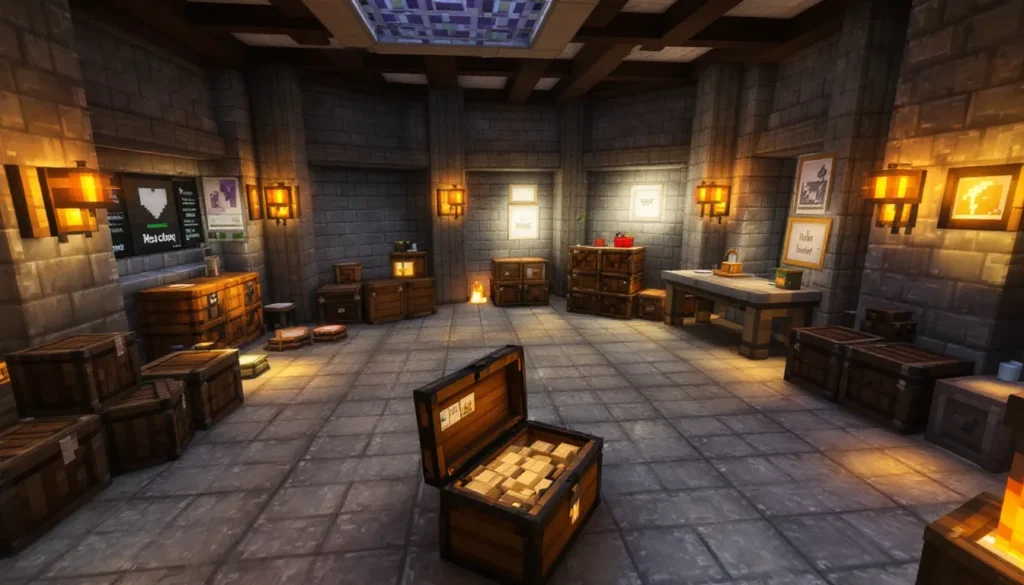
Minecraft blocks are the foundation of everything you build, survive, and explore in the game. Whether you’re constructing a castle, mining for resources, or experimenting with redstone contraptions, understanding block mechanics is essential to progressing beyond the basics. In 2026, with new updates constantly refreshing the block palette and adding deeper integration across Java and Bedrock editions, knowing which blocks do what and when to use them can mean the difference between a thriving base and a frustrating playthrough. This guide breaks down the essentials, advanced techniques, and rare finds that every serious player should have in their toolkit.
Table of Contents
ToggleKey Takeaways
- Minecraft blocks are the foundation of gameplay, with unique properties like blast resistance and tool requirements that determine how you build, survive, and progress.
- Master the essentials—stone for structures, dirt for terraforming, wood for variety, and concrete for vibrant, flammable-free building.
- Redstone blocks (dust, repeaters, comparators) and mechanical blocks (pistons, hoppers, observers) unlock automation and transform Minecraft from a sandbox into an engineering playground.
- Rare blocks like obsidian, ancient debris, and amethyst require specific mining tools and deep exploration but deliver unmatched value for portals, defense, and aesthetic builds.
- Advanced techniques like shape layering, texture mixing, and strategic block placement elevate your Minecraft castle and base designs from basic to professional-looking builds.
- Understanding the differences between Java and Bedrock editions ensures your Minecraft block mechanics and redstone contraptions work as intended on your platform.
What Are Minecraft Blocks and Why They Matter
At its core, a Minecraft block is a single unit cube that makes up the world. Every dirt patch, stone wall, and torch you place is a block with unique properties: blast resistance, hardness, tool requirements, and interactions. Blocks aren’t just decoration, they define gameplay.
Solid blocks form the terrain and structures. Transparent blocks like glass let you see through while maintaining integrity. Some blocks conduct electricity (for redstone), others store data, and a few do nothing but look good. Understanding these distinctions helps you build efficiently and solve mechanical problems.
The difference between Java and Bedrock Edition matters here. Bedrock’s block palette is slightly different, and redstone behavior can vary. If you’re playing on console, mobile, or Windows 10+, you’re on Bedrock: if you’re on PC with the original launcher, that’s Java. The blocks themselves exist on both, but some advanced mechanics differ. Knowing your platform helps you leverage blocks correctly.
Essential Block Types Every Player Should Know
Solid Blocks for Building and Survival
Stone, dirt, wood, and cobblestone are your bread and butter. Stone is blast-resistant and mined with a pickaxe: use it for permanent structures and defense against creepers. Dirt is easy to collect and great for temporary scaffolding or terraforming. Wood comes in multiple variants (oak, spruce, birch, etc.) and burns, so keep it away from lava and fire sources.
Concrete blocks, introduced years ago and still underrated, offer vibrant colors with zero flammability. They’re perfect when you want precision building without worry. Deepslate is the deep cave variant of stone, visually distinct and useful for creating atmospheric contrast in builds. When planning a mine craft castle or fortress, mix stone types to add depth and prevent the monotonous gray slab look.
For mine craft building, understanding block texture and placement is critical. Logs and stripped logs stack naturally and look organic. Planks are crafted from logs and work as walls or decorative elements. Leaves decay over time unless touching wood, so always plan tree farms with this in mind.
Special Blocks for Mechanics and Redstone
Redstone dust transmits power signals, no redstone, no automated farms or door systems. Repeaters delay and strengthen signals. Comparators read container levels and emit variable output. These three are the holy trinity of redstone building.
Pistons push blocks. Sticky pistons push and pull. Combined with redstone timing, they create moving platforms, hidden doors, and sorting systems. Observers detect block changes and emit a pulse, essential for creating contraptions that respond to the environment.
Hoppers move items between containers: droppers eject items in a direction: dispensers shoot projectiles or place blocks. These enable item sorting and automation. Targeted blocks like cauldrons and composters offer specialized functions. Understanding how these interact turns Minecraft from a sandbox into an engineering playground.
Advanced Building Techniques With Blocks
Once you’re comfortable with basic blocks, layering different materials creates visual interest. In mine craft building, professionals use a technique called “shape layering”, placing varied block types to create texture and shadow. For example, a wall of dark oak wood next to stone bricks creates contrast without clashing.
Redstone farms leverage block mechanics for efficiency. A carrot farm using water blocks, pistons, and hoppers can harvest and collect crops automatically. The water flows through planted rows, pistons push matured crops, and hoppers funnel them into storage. This requires understanding water physics (flows 8 blocks horizontally, falls indefinitely) and piston timing.
For mine craft bedrock edition users, powered rails and detector rails enable minecart systems that are platform-specific in behavior. Test rail layouts in creative mode before committing resources. Slime blocks are bouncy and work with pistons for movement: honey blocks are sticky and slow fall damage.
When building structures like a mine craft castle, use block variety strategically. Staircases benefit from a mix of stone stairs, slabs, and walls to create depth. Battlements use walls and fences. Interior rooms look better with carpets on wooden planks than bare floors. Lighting with lanterns, candles, and soul lanterns (different colors for aesthetic) adds atmosphere without being overly bright.
Rare and Valuable Blocks Worth Collecting
Obsidian is blast-resistant and mined only with a diamond pickaxe. It’s essential for nether portals and offers serious defense against TNT-based attacks. Finding obsidian early requires lava and water management, costly but worthwhile.
Crying obsidian was added in 1.16 and can only be mined with a diamond pickaxe: it’s primarily decorative but looks striking in certain builds. Amethyst blocks and budding amethyst are found in deep caves. Budding amethyst generates amethyst clusters naturally, farm these for amethyst shards used in spyglasses and telescopes.
Ancient debris is the rarest ore block in Minecraft, found only deep in the nether. Mine it with a diamond pickaxe to get netherite scrap, which crafts into netherite ingots. Netherite tools don’t burn in lava and have higher durability than diamond. One netherite ingot mixed with eight diamond blocks creates one netherite block, extremely valuable.
Sculk blocks appeared in the 1.19 deep dark update and are tied to the warden mob. Don’t break sculk sensors or sculk shriekers carelessly, they summon wardens. Dark oak wood in old-growth forests and azalea trees are only found in specific biomes, making them semi-rare if you’re far from those areas. The value of rare blocks isn’t just crafting, it’s the adventure and resources required to obtain them. Many players use them as currency in multiplayer servers or display them as achievements in their bases.
Conclusion
Minecraft blocks are simple on the surface, place, break, repeat. But they’re the grammar of the game’s language. Every builder, engineer, and survivor who progresses beyond the first night learns that choosing the right block for the job saves time and resources. Whether you’re automating production with redstone-powered machines, crafting intricate mine craft castle designs, or experimenting in mine craft bedrock edition, block knowledge is power. Start with the essentials, practice layering textures, and gradually work toward advanced mechanics. Your next build will thank you.