Minecraft has dominated the block-building landscape for over a decade, and for good reason. Whether you’re a creative builder crafting pixel art masterpieces or a survival enthusiast fending off creepers in the dark, the core Minecraft experience remains unmatched. But the franchise has evolved far beyond the original sandbox. From action-packed spin-offs like Minecraft Dungeons to strategic takes like Minecraft Legends, there’s more to explore than ever. This guide breaks down the best Minecraft games available in 2026, alongside the top alternatives for gamers hungry for similar block-building gameplay. Whether you’re looking to mine craft free options, seek a mine craft download, or just want to know what’s worth your time, we’ve got you covered.
Table of Contents
ToggleKey Takeaways
- Minecraft games maintain dominance through dual-mode design offering both creative building freedom and survival challenge, giving players complete control over their gameplay experience.
- Java Edition excels for modding enthusiasts with tools like Forge and Fabric, while Bedrock Edition prioritizes cross-platform convenience and optimized performance for players on different devices.
- Minecraft spin-offs like Dungeons (action-adventure dungeon crawler) and Legends (real-time strategy) expand the franchise beyond sandbox building into new gameplay genres.
- Top Minecraft alternatives include Terraria for combat depth, Valheim for hardcore survival, LEGO Fortnite for accessibility, and Creativerse for pure creative building freedom.
- The core appeal of Minecraft games lies in their flexible progression systems—mining requires specific pickaxes, crafting builds naturally into the world, and exploration rewards discovery without demanding twitch reflexes.
What Makes Minecraft the Gold Standard for Block-Building Games
Minecraft‘s dominance in the block-building genre isn’t accidental, it’s built on a foundation of mechanics that just work. The game centers on block-based world construction where every cubic meter can be modified, destroyed, or repositioned. This core concept gives players absolute creative freedom.
What separates Minecraft from competitors is its dual-mode design. Creative mode strips away survival mechanics, letting you focus purely on building elaborate structures without resource constraints. Survival mode forces real decisions: should you craft armor or shelter? Mine deeper for rare ores or gather wood for immediate needs? This tension creates genuine engagement.
The crafting and mining systems provide constant progression hooks. Discovering that iron ore requires a stone pickaxe to harvest, then realizing diamond ore demands iron, it’s a natural skill tree built into the world itself. Combat remains straightforward but effective, letting exploration and building take center stage rather than demanding twitch reflexes.
Cross-platform availability matters too. Whether you’re on PC, console, or mobile, Minecraft exists somewhere you can access it, making it accessible to casual and hardcore players alike. The community has built staggering creative works from pixel-perfect recreations of real cities to functional in-game computers.
Top Minecraft Games and Spin-Offs Worth Playing
Minecraft: Java Edition vs Bedrock Edition
These aren’t just cosmetic differences, they’re meaningfully different products. Java Edition runs on Windows, macOS, and Linux, making it the obvious choice for PC purists. The modding community is where Java Edition truly shines. Tools like Forge and Fabric unlock thousands of mods ranging from quality-of-life improvements to total conversion experiences like Pixelmon or create-your-own magic systems.
Bedrock Edition powers Windows 10/11, Nintendo Switch, PlayStation, Xbox, and mobile devices. The trade-off: fewer mods, but significantly better cross-platform play. If your friends play on different platforms, Bedrock’s unified multiplayer network means everyone plays together seamlessly. Performance tends to be more optimized on Bedrock across lower-end hardware.
Java players get deeper control and customization: Bedrock players get convenience and accessibility. Neither is objectively “better”, they serve different audiences. If you want modding freedom, Java is non-negotiable. If you value playing with friends across devices, Bedrock wins.
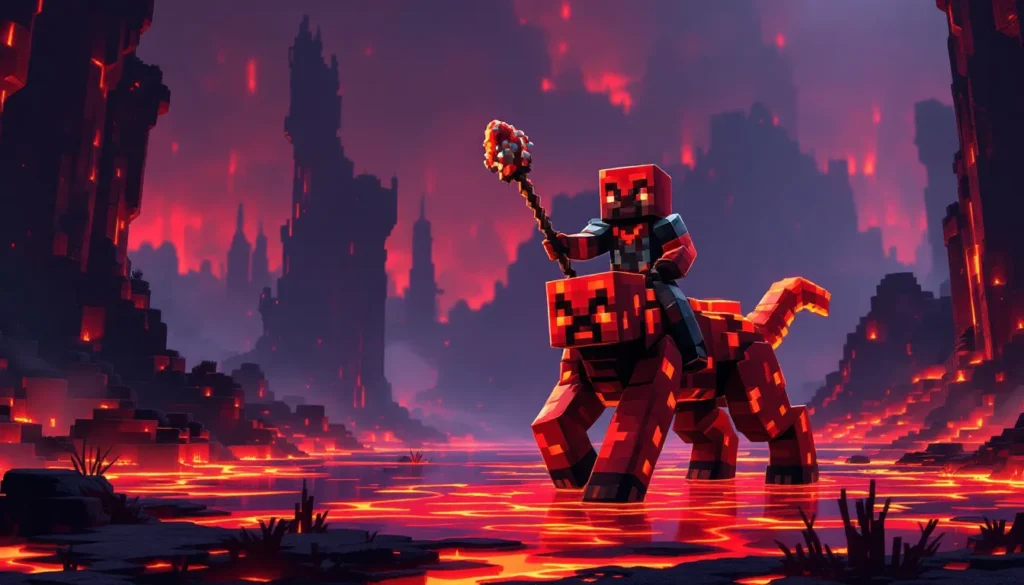
Minecraft Dungeons and Minecraft Legends
These spin-offs step away from the sandbox formula, and that’s exactly the point. Minecraft Dungeons is an action-adventure dungeon crawler that trades building for combat. Think Diablo meets Minecraft aesthetics. You’ll descend through procedurally-generated dungeons, equipping loot-based gear (swords, pickaxes, bows) with random enchantments, and fighting through mobs. It’s surprisingly engaging for a spin-off, and the cooperative multiplayer keeps runs fresh.
Minecraft Legends takes a completely different direction: real-time strategy. You command armies of Minecraft mobs against invading piglins, managing resource lanes and deploying units tactically. It’s neither a builder’s game nor a straight action title, it’s its own beast. For players tired of freeform building but curious about Minecraft’s universe, Legends offers narrative depth and strategic complexity absent from the main game.
Both titles arrive on major platforms (PC, console, mobile for Dungeons: mostly console/PC for Legends), making them accessible if you own any modern gaming hardware. They’re genuinely different enough to justify the install if you’ve exhausted the main game’s appeal.
Best Games Like Minecraft for Creative and Survival Fans
If Minecraft’s formula hits the spot but you’re craving variation, solid alternatives exist across budget tiers.
Terraria remains the 2D counterpart to Minecraft’s 3D sandbox. You’ll mine, craft, and build vertically across a 2D world, battling bosses and uncovering secrets. Terraria excels where Minecraft is loose: boss progression is structured, and combat is actually demanding. The amount of content, weapons, armor, accessories, dwarfs Minecraft’s variety. It’s cheaper than Minecraft and frequently discounted.
Valheim strips Minecraft to core survival mechanics then doubles down on them. Norse-themed, early access maturing into a full title, Valheim emphasizes building Norse longhouses and raiding procedural dungeons in co-op. Resource management matters: you’ll actually starve if unprepared. If Minecraft’s survival mode feels too forgiving, Valheim’s survival demands respect.
LEGO Fortnite (free-to-play within Fortnite) combines Fortnite’s monetization with Minecraft-style building. You construct and defend bases against NPC raids. It’s more arcade-focused than pure sandbox, perfect for younger audiences or players wanting Fortnite crossover content.
Roblox isn’t a single game but a platform hosting user-created experiences. While quality varies wildly, standout titles like “Build a Boat for Treasure” nail the creative-construction vibe Minecraft fans enjoy. It’s free, constantly updated, and community-driven.
Dragon Quest Builders is the curveball recommendation. It’s block-building with actual narrative structure, you follow a story while constructing towns and solving puzzles. Japan’s game8 frequently highlights this title as an underrated gem for players wanting Minecraft-like mechanics wrapped in a proper story.
Creativerse is the direct Minecraft competitor most players overlook. Free-to-play, creative-focused building with customizable voxels and visual polish that outshines Minecraft’s blocky aesthetic. If you primarily care about building and less about survival, Creativerse’s tutorial-light approach assumes you know the genre.
Each alternative targets slightly different priorities: Terraria for combat, Valheim for hardcore survival, LEGO Fortnite for accessibility, and Creativerse for pure building freedom. Your choice depends on whether you’re prioritizing exploration, resource management, combat depth, or creative expression.
Conclusion
Minecraft’s reign as the gold standard for block-building games remains unchallenged in 2026. Its flexibility, supporting everything from passive creative building to hardcore survival, means nearly every gamer finds something. Whether you prefer Java’s modding ecosystem or Bedrock’s cross-platform convenience, the base game delivers depth that few rivals match. Spin-offs like Dungeons and Legends prove Mojang understands the universe they’ve created extends beyond sandbox mechanics. For gamers seeking alternatives, each recommendation targets specific preferences: survival depth, combat focus, narrative structure, or pure creative freedom. Explore the option that matches your playstyle, and you’ll find hours of engaging gameplay ahead.