Minecraft stands as a cultural juggernaut in gaming, having sold over 300 million copies worldwide since its 2011 release by Mojang. In 2026, the sandbox phenomenon continues to dominate with its simple yet infinite possibilities. Whether you’re a casual builder, a survival enthusiast, or someone diving into mine craft games for the first time, understanding what makes Minecraft tick is essential. The game’s accessibility, low hardware demands, cross-platform availability, and no fixed narrative, has cemented its place as the best-selling game in history. This guide covers everything from foundational survival tips to advanced mechanics and the thriving modding ecosystem.
Table of Contents
ToggleKey Takeaways
- Minecraft has sold over 300 million copies and remains the best-selling game in history due to its accessibility, low hardware demands, and infinite creative possibilities for players of all levels.
- New players should start in Peaceful or Easy mode and master basic controls (WASD, Space, Shift, E) before progressing through the wood-to-netherite tool tier system in Survival Mode.
- Creative Mode offers unlimited blocks and flight, making Minecraft a platform for architecture and building dreams by starting with complementary block palettes and gradually adding depth with stairs, slabs, and details.
- Advanced Minecraft systems like Redstone engineering, enchanting, potion brewing, and farming automation separate casual players from committed veterans and unlock late-game content in the Nether and End dimensions.
- The Java Edition modding community and Minecraft download options through platforms like CurseForge and MultiMC provide nearly infinite variations, from performance optimization to entirely new dimensions and story-driven adventure packs.
- Minecraft Education Edition and community-driven content creation on YouTube, Twitch, and TikTok have transformed Minecraft into a cultural phenomenon that extends beyond gaming into learning, urban planning, and digital literacy.
What Makes Minecraft a Cultural Phenomenon
Minecraft isn’t just a game: it’s a platform for creativity that transcends traditional gaming boundaries. The open-ended sandbox design means players set their own goals, whether that’s building architectural masterpieces, completing the Ender Dragon fight, or simply relaxing in Creative mode. This freedom has spawned massive communities across YouTube, Twitch, and TikTok, where content creators generate billions of views exploring servers, adventure maps, and role-play worlds.
Beyond entertainment, Minecraft: Education Edition has revolutionized learning environments. Teachers use it to teach coding, history, architecture, and teamwork in ways traditional methods can’t match. Urban planners and digital literacy programs have adopted the game for real-world applications. The combination of accessibility, anyone can pick up a controller or mouse, and infinite creative potential explains why mine craft education initiatives have gained serious institutional backing.
The community’s participatory culture drives constant engagement. Custom servers, mini-games, and user-generated content mean the game never feels stale. Microsoft’s acquisition in 2014 didn’t diminish Minecraft’s indie spirit: instead, it expanded the platform across Java, Bedrock, console, and mobile versions, making mine craft download options available wherever players are.
Getting Started: Essential Tips for New Players
Starting Minecraft feels overwhelming if you don’t know what you’re doing. The first step is installing the right version: Java Edition for PC modding flexibility, or Bedrock for cross-platform play across Windows, console, and mobile. New players should start in Singleplayer on “Easy” or “Peaceful” difficulty to learn without pressure.
Master these controls immediately: WASD for movement, Space to jump, Shift to sneak (essential for ledge safety), and E to open inventory. These basics take five minutes to internalize but save countless frustrating deaths.
Survival Mode Fundamentals
Survival is Minecraft’s core experience. Your first night is critical, before darkness falls, punch trees for wood, craft a crafting table, create wooden tools, and build basic shelter. Mobs spawn at night, and without protection, you’re dead.
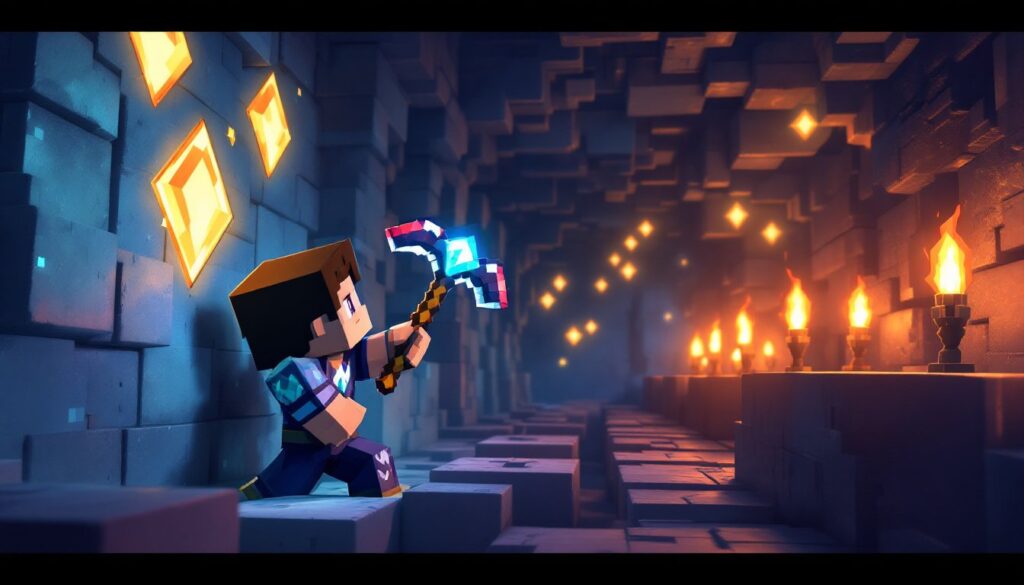
Focus on this progression: wood → stone tools → iron → diamond → netherite. Each tier unlocks better efficiency and new possibilities. Prioritize collecting coal (for torches and smelting), iron ore (for better tools), and food sources like animals or wheat. Place torches everywhere to prevent mob spawns in explored areas.
Health regenerates when your hunger bar is full, so eat cooked meat, bread, or other foods consistently. Sleep in beds every night to skip darkness and set your spawn point. Deep cave exploration yields rare ores, but save that for after you’ve established basic security.
Creative Mode and Building Basics
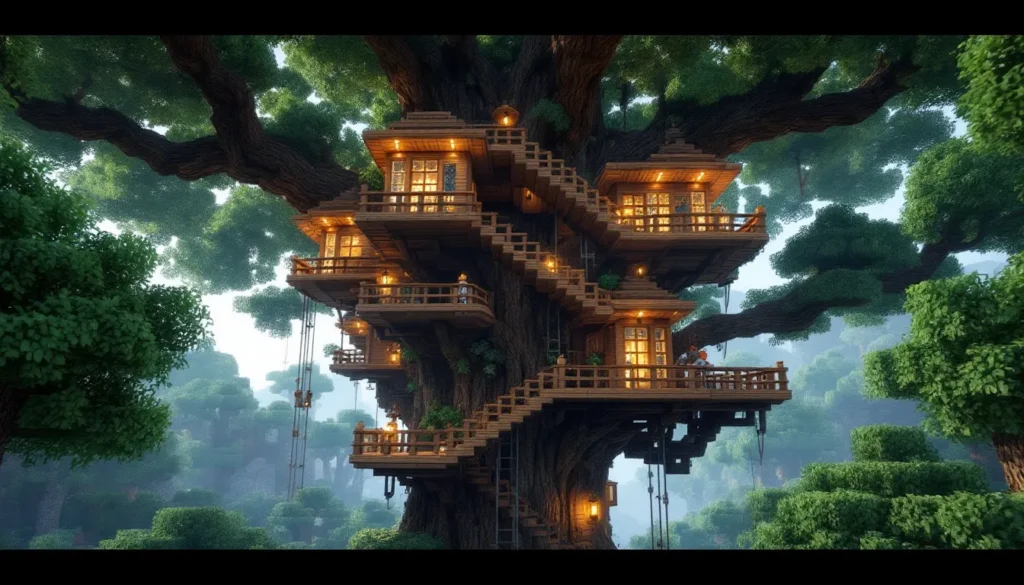
Creative mode strips away survival stress, you’ve got unlimited blocks, flight, and invulnerability. This is where architecture dreams come true, and mine craft games showcase some mind-blowing creations.
Start simple: choose 2-4 complementary block types to form your palette. Build basic shapes first, rectangles for houses, circles for towers. Then add depth with stairs, slabs, and fences. Details matter: windows, proper roofing, vegetation, and lighting transform flat structures into living spaces. Many builders use reference images or structure blocks for symmetry. Don’t overthink it, practice beats perfection.
Advanced Gameplay Mechanics and Strategies
Once you’ve mastered survival basics, Minecraft’s deeper systems become accessible. Redstone is Minecraft’s engineering backbone, think of it as the game’s wiring system. Redstone dust transmits power: pistons move blocks: comparators detect changes. Master redstone, and you can automate farms, create traps, and build logic circuits. Beginners should start with simple door mechanisms before tackling complex contraptions.
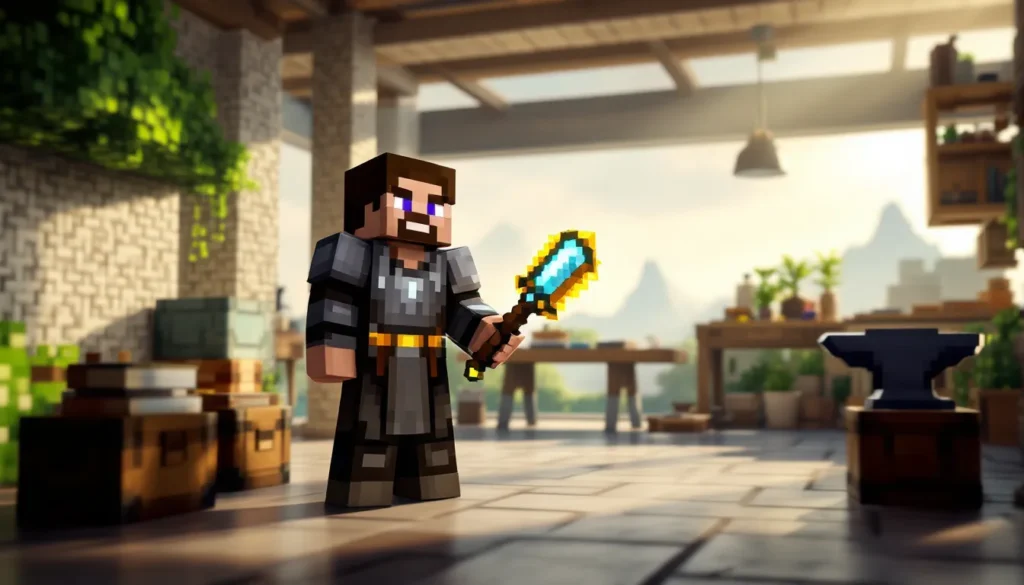
Enchanting and potions transform your gear. Use an Enchanting Table to upgrade tools, armor, and weapons with effects like Efficiency, Unbreaking, and Protection. The Anvil combines enchantments and repairs gear. Brewing stands create potions, speed boosts, healing, and night vision extend your capabilities. These systems feel intimidating initially but become second nature with practice.
Farming automation separates casual from committed players. Semi-automated crop farms use water channels and hoppers: mob farms exploit spawning mechanics for drops and XP: XP farms accelerate leveling. The satisfaction of passive income generation is real.
The Nether and End dimensions unlock late-game content. The Nether offers fast travel (1 block = 8 in the Overworld), unique materials like netherite, and soul sand valleys. The End hosts the Ender Dragon, Minecraft’s final boss. Defeating it and claiming the Elytra wings opens end-game exploration. Recent updates have expanded both dimensions with new biomes and structures, making game guides and walkthroughs valuable resources for navigation.
The Modding Community and Custom Content
Java Edition’s modding scene is legendary. Loaders like Forge and Fabric let developers create expansive content, from optimization mods that boost FPS to entirely new dimensions and mechanics. The distinction matters: Forge favors compatibility: Fabric prioritizes performance and code cleanliness.
Mod types are diverse. Performance mods improve rendering and FPS. Tech and magic mods add industrial machinery or mystical systems. New biome and mob mods refresh exploration. Quality-of-life mods like mini-maps or inventory improvements streamline gameplay. Adventure packs bundle story-driven content with custom mechanics.
Modpacks curate dozens of mods into cohesive experiences. Tech-focused packs emphasize automation and engineering: exploration packs expand world generation: skyblock packs restrict you to floating islands, forcing creativity. Major launchers like CurseForge and MultiMC simplify installation, download a pack, launch, and play.
Bedrock and console players aren’t left out. Behavior packs and resource packs modify textures, sounds, and mechanics. Data packs (Java) and add-ons (Bedrock) extend vanilla content without mods. Custom servers host mini-games, role-play worlds, and faction systems that feel like entirely different games. According to recent gaming news, the community’s creative output rivals official development in scope.
The ecosystem’s depth means mine craft download options extend far beyond the vanilla game. Community platforms like Planet Minecraft and the CurseForge library host millions of custom creations. This accessibility is why PC gaming communities consistently rank Minecraft as a platform-builder, it’s not just a game but a foundation for infinite variations. An Autocrafter addition helps streamline complex crafting workflows, making advanced production systems accessible even to newer players managing Autocrafter Minecraft efficiency.
Conclusion
Minecraft’s 2026 relevance stems from its balance of accessibility and depth. New players can enjoy straightforward survival: veterans engage with redstone engineering, modding, and community-driven content. The game’s open architecture, literal and cultural, ensures it remains a canvas for creativity rather than a closed experience. Whether your path leads through survival progression, architectural mastery, or modding innovation, Minecraft continues to reward curiosity and imagination in ways few games match.