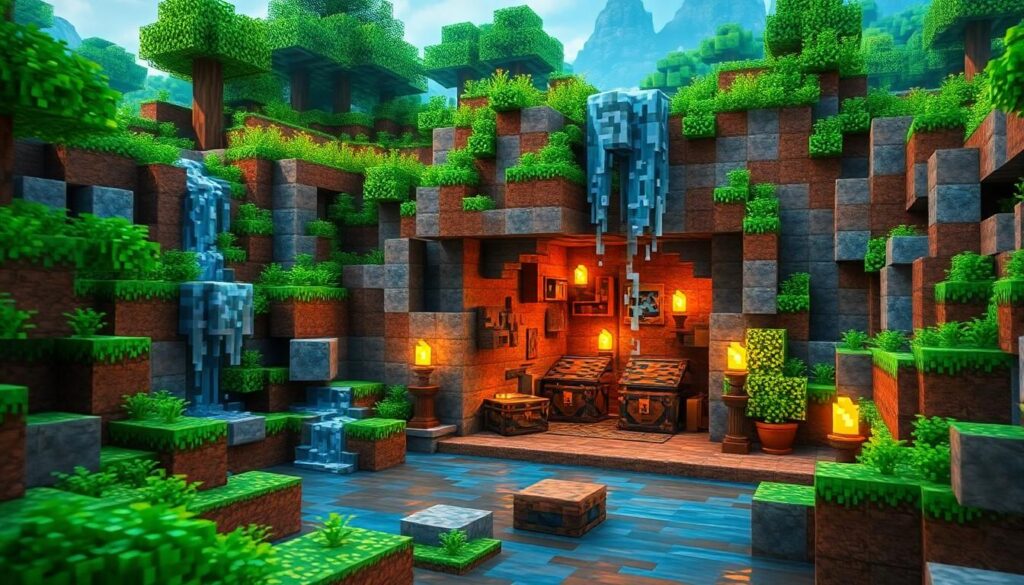
You’ve spent hours gathering materials, days constructing the perfect exterior, and now you’re staring at a hollow shell wondering what comes next. Minecraft house interior design is where builds go from functional to unforgettable, yet it’s the part most players struggle with. Empty rooms with a crafting table and bed won’t cut it anymore, not when the community’s pushing boundaries with layered textures, custom furniture, and lighting tricks that make vanilla blocks look like mod content.
Interior design in Minecraft isn’t just cosmetic. It’s about making spaces feel lived-in, purposeful, and true to your build’s vision. Whether you’re furnishing a medieval castle, a sleek modern penthouse, or a cozy cottage, the principles remain consistent: scale, depth, and intentional block choices. This guide breaks down practical minecraft interior ideas across every room type, from living areas to specialty builds, with specific block combinations and techniques you can apply immediately. No filler, no generic advice, just actionable interior design minecraft strategies that work in 2026’s latest versions.
Table of Contents
ToggleKey Takeaways
- Minecraft interior design transforms hollow builds into memorable spaces through layered textures, proper scale, and intentional block choices that make vanilla blocks look extraordinary.
- Master three core principles—understanding room proportions (3-block ceilings for cozy spaces, 10+ for grand halls), creating depth through wall treatments and furniture layering, and choosing 3-4 base colors per room—to elevate any interior design project.
- Use versatile vanilla blocks like stairs for furniture, trapdoors for cabinet doors and shelving, and barrels for storage to create custom pieces without mods or outside resources.
- Implement hidden lighting techniques with glow stone, sea lanterns, or trapdoors to maintain immersion, while layering light sources every 8-10 blocks prevents dark spots and creates balanced ambiance.
- Match your interior design to your build’s style—medieval spaces need dark wood and stone, modern rooms demand clean lines with quartz and concrete, and Asian-inspired areas benefit from bamboo blocks and minimal furniture.
Why Interior Design Matters in Minecraft
A polished exterior draws attention, but minecraft house interior ideas determine whether players remember your build or scroll past it. Interiors create narrative, they tell visitors what kind of space this is, who inhabits it, and what activities happen there. A throne room with layered carpets, banners, and strategic lighting communicates power differently than the same room with a single chair.
Functionality also plays a role. Well-designed interiors organize chests logically, place crafting stations within reach, and route players through spaces naturally. The difference between a storage room and a functional pantry isn’t just aesthetics: it’s how quickly you can grab supplies mid-session.
Beyond practicality, interiors challenge builders differently than exteriors. Vertical space is limited, block palettes need variation at close range, and every corner demands detail. Mastering minecraft interior design pushes your building skills forward, forcing creative solutions with vanilla blocks that might look basic in isolation but stunning when layered correctly.
Essential Principles for Minecraft Interior Design
Understanding Scale and Proportion
Minecraft’s grid system makes scale tricky. A 10×10 room feels massive from the outside but cramped once you add furniture. The player model occupies one block, so doorways need at least two blocks of height and pathways require two-block width minimum for comfortable movement.
Furniture scale matters more than players expect. A table built from fence posts and trapdoors works in a cottage, but the same design looks childish in a grand dining hall. Larger builds demand bigger furniture, use full blocks for table bases, combine stairs and slabs for seating with presence, and build multi-block pieces instead of one-block shortcuts.
Ceiling height defines room feel immediately. Three-block ceilings create cozy, intimate spaces perfect for bedrooms. Five to seven blocks suit standard living areas. Medieval great halls and throne rooms demand ten-plus blocks with exposed beams to avoid feeling squat. Always build taller than your first instinct suggests.
Creating Depth and Layering
Flat walls kill interiors faster than any other mistake. Adding depth through layering transforms basic rooms into detailed spaces. Recessing windows by one block, using slabs as trim along wall edges, or placing stairs upside-down as crown molding adds shadow and visual interest without consuming floor space.
Wall treatments separate amateur builds from polished work. Combine two to three block types per wall, stripped logs as vertical beams with plank infill, stone bricks with andesite accents, or concrete with terracotta patterns. The contrast creates texture even in small rooms.
Furniture layering adds realism. Don’t just place a bed against a wall, add trapdoors as bedside tables, stairs as seating at the foot, and carpet underneath to define the sleeping area. Stack elements: bookshelves behind lecterns, barrels beneath counters, and banners behind thrones. Each layer sells the illusion that these spaces exist beyond decoration.
Choosing the Right Color Palette
Minecraft’s color options expanded significantly with recent updates, but restraint beats variety. Pick three to four base colors per room and stick with them. Warm palettes (oak, acacia, terracotta variants) suit cozy builds. Cool tones (spruce, dark oak, prismarine, blackstone) work for modern or fantasy spaces.
Contrast matters more than color count. Pair light and dark blocks intentionally, white concrete with dark oak creates sharp modern lines, while sandstone with spruce gives rustic warmth. Avoid mid-tone monotony where every block blends into gray-brown sameness.
Accent colors should appear in 10-20% of the space maximum. Bright blocks like colored concrete or glazed terracotta work as focal points, a vibrant kitchen backsplash, throne room carpet, or library accent wall. Overuse them and rooms feel chaotic. The 1.20+ update’s bamboo and cherry wood blocks opened new palette options, especially for Asian-inspired or spring-themed builds.
Living Room and Common Area Designs
Cozy Fireplace Lounges
Fireplace living rooms anchor cozy builds. The fireplace itself needs presence, build it at least three blocks wide using a combination of stone bricks, nether brick, or blackstone for the surround. Use campfires (with hay bales underneath for taller flames) or soul campfires for blue flames in darker builds. Frame the fireplace with stairs as a mantle and place trapdoors or slabs as decorative shelving.
Seating arrangements face the fireplace naturally. Use stairs as chairs in an L or U configuration around the hearth, mixing in slabs as coffee tables. Add rugs using colored wool or carpet to define the seating zone. Bookshelves, potted plants (use flower pots), and item frames with maps or tools personalize the space without clutter.
Lighting should come from the fire itself plus hidden sources. Lanterns hung from chains or placed on fence posts create ambient points. Avoid torches in finished spaces, they read as temporary and break immersion. The key is making visitors want to sit down, even though Minecraft doesn’t mechanically reward it.
Modern Open-Concept Spaces
Open-concept designs require zone definition without walls. Use carpet to section areas, trapdoors as room dividers when placed vertically along the floor edge, or half-walls with slabs on top. The goal: distinct areas for cooking, dining, and relaxing within one large room.
Modern furniture demands clean lines. Build sofas from quartz stairs with wool cushions on top, glass panes as coffee table surfaces supported by fence posts, and bookshelves as media centers. Concrete and quartz blocks form the backbone, accented with gray or white terracotta. Avoid wood entirely or limit it to dark oak for contrast.
Minimalism governs modern spaces, fewer items, more negative space. Each piece serves a visual purpose. A single painting on a white wall beats three cluttered together. Potted bamboo or dead bushes (in flower pots) add greenery without busy-ness. Players building modern homes often struggle with emptiness, but that’s the point: intentional sparseness reads as sophisticated when executed with quality materials.
Medieval Great Halls
Great halls are statement pieces in castles and manor builds. They require height (minimum ten blocks) and length (15+ blocks) to feel appropriately grand. Use spruce logs or dark oak logs as vertical support beams every four to five blocks, with plank infill between. Exposed beam ceilings using sideways logs or stairs add medieval authenticity.
The central feature is typically a long dining table. Build it using oak fence posts as table legs with oak pressure plates, trapdoors, or carpets on top as the surface. Line both sides with stair seating. Add banners on walls displaying faction colors, and armor stands (with or without armor) as guards flanking the entrance.
Firepits or fireplaces belong in great halls, often as a central feature or at one end. Use campfires surrounded by stone brick or cobblestone, with iron bars as a fire grate. Hang chandeliers from the ceiling using fence posts as chains with lanterns or end rods for lights. Many players incorporate elements from fantasy builds to enhance the medieval atmosphere with enchanted details.
Bedroom and Sleeping Quarter Ideas
Luxury Master Suites
Master suites combine sleeping, dressing, and relaxation zones. Start with an oversized bed, build a king-size using two beds side-by-side, or fake it with wool blocks topped by carpets in a four-by-three footprint. Frame the bed with banners as curtains hung from the ceiling, or use trapdoors as a headboard.
Dressing areas need storage. Line one wall with barrels or chests, topped with trapdoors to create a built-in closet look. Add armor stands displaying different outfit sets if you’re into cosmetic roleplay. A vanity area uses end rods (as makeup lights), a cauldron (as a sink), and item frames with tools or flowers as accessories.
Seating zones might include a reading nook (stair chair, bookshelf, lantern) or a balcony access point. Keep color palettes soft, white and light gray concrete with oak or birch accents reads as upscale without overwhelming. Flower pots with flowers, paintings, and carpets in layered patterns add luxury without mechanical function.
Minimalist Sleeping Spaces
Minimalist bedrooms strip back to essentials: bed, storage, light. Place a single bed against a wall with a trapdoor as a side table and a lantern or sea lantern as lighting. One chest or barrel handles storage. The rest is negative space.
Material choices matter heavily here. White concrete, smooth stone, or quartz walls with dark oak or spruce accents create stark, intentional contrast. Avoid decorations, one painting maximum, maybe a potted plant. The floor might use a single carpet beside the bed or stay bare.
Lighting should be hidden or minimal. Recessed glow stone behind blocks, lanterns hung in corners, or a single end rod provides enough light without visual clutter. Minimalist doesn’t mean boring, it means every block placement is deliberate and clean lines dominate.
Kitchen and Dining Room Inspiration
Rustic Farmhouse Kitchens
Farmhouse kitchens lean into wood tones and functional clutter. Use oak or birch planks for floors, stripped oak logs as ceiling beams, and stone or cobblestone for countertops. Barrels and chests serve as pantry storage, cauldrons as sinks, and blast furnaces or smokers as stoves (they actually function, too).
Counters are typically two blocks high, use slabs on top of full blocks, or trapdoors as cabinet doors on the front face. Pressure plates on fence posts create table surfaces. Hang lanterns from the ceiling or place them on counters for lighting that fits the rustic theme.
Decorations sell the farmhouse vibe: flower pots with crops (wheat, carrots), item frames displaying food items (bread, apples), and banners as dish towels hanging from walls. Add a crafting table and composter if you want functional blocks blended in. The goal is organized chaos, lived-in without messy.
Modern Culinary Spaces
Modern kitchens prioritize clean surfaces and hidden storage. Quartz blocks, white concrete, or smooth stone form counters and islands. Iron trapdoors serve as sleek cabinet fronts. Polished blackstone or dark oak accents add contrast.
Blast furnaces and smokers integrate as built-in appliances when recessed into walls or islands. A cauldron (filled with water) works as a sink, or use an end rod behind glass panes for a modern faucet look. Sea lanterns or glow stone hidden beneath counter overhangs provide clean, bright lighting.
Islands anchor modern kitchens. Build them using quartz or concrete with a one-block overhang created by slabs, allowing stair seating to tuck underneath. Item frames with minimalist items (bowl, bottle) or completely empty frames maintain the aesthetic. Keep decorations under five items total, a potted plant, maybe a single painting.
Functional Storage and Pantry Solutions
Storage separates decorative kitchens from functional ones. Dedicated pantry rooms use barrels (they look better than chests in bulk) arranged in walls, labeled with item frames displaying stored goods. Shelving units built from slabs and trapdoors break up barrel monotony.
For smaller kitchens, vertical storage maximizes space. Stack barrels two-high along walls, use hoppers (visible or hidden) for sorting systems if you’re into redstone, or build floor-to-ceiling storage with ladders for access to upper chests. The crafting essentials you need are often right where storage meets vertical building challenges.
Trapdoors as cabinet doors hide functional chests while maintaining visual consistency. Place them on front faces of chests and barrels, they don’t block access but create a finished look. Add buttons or levers as drawer pulls for extra detail. Color-code storage areas using different wood types or concrete colors if managing multiple material categories.
Specialty Room Designs
Enchanting Libraries and Study Rooms
Libraries demand bookshelves, that’s non-negotiable. But stacking them floor-to-ceiling creates monotony. Break them up with ladder accents (for reaching high shelves), trapdoors as book ends, or oak slabs as partial shelving. Create alcoves by recessing bookshelves one block back with carpet or slabs framing them.
Reading areas need comfortable seating. Use stairs as armchairs with slabs as footrests, positioned near windows (add glass panes with trapdoors as shutters). A lectern holds an open book, while item frames with written books or maps decorate walls. Brewing stands (empty) can serve as decorative candelabras.
Lighting should feel warm and specific, lanterns on tables, torches (if medieval), or hidden glow stone if you want ambient light without visible sources. Add a crafting table or anvil if this doubles as a study. Some players enjoy placing enchanting tables in libraries surrounded by the mandatory fifteen bookshelves, blending function with theme.
Enchantment and Brewing Rooms
Enchantment rooms center on the enchanting table, which needs fifteen bookshelves within two blocks (with one block gap) for max level enchants. Turn this mechanical requirement into design: arrange bookshelves in a circle or horseshoe, add carpet in arcane patterns (purple and blue work well), and use end rods or sea lanterns for mystical lighting.
Brewing stands deserve dedicated spaces in alchemy rooms. Build them into counters made from nether brick or blackstone, surround them with cauldrons (filled for water source), and add chests or barrels for ingredient storage. Item frames displaying potions or ingredients (spider eyes, blaze powder) reinforce the theme.
Atmosphere comes from lighting and color. Soul lanterns and soul fire (on soul sand/soil) give blue flames perfect for magical spaces. Purple or magenta carpet and stained glass create otherworldly vibes. Add lecterns with written books as spell tomes, and armor stands with enchanted gear on display. Resources from guide sites often showcase advanced enchanting room layouts with optimal bookshelf placement.
Throne Rooms and Grand Entrance Halls
Throne rooms communicate power through scale and symmetry. The throne itself needs elevation, build a platform three to five blocks high using stone bricks, quartz, or blackstone depending on your kingdom’s aesthetic. The throne uses stairs (often nether brick or quartz) as the seat, backed by banners displaying faction symbols.
Carpet runners lead to the throne in contrasting colors, red on gray stone is classic, but purple, blue, or black work for different moods. Line the path with armor stands as guards, pillars (built from logs, stone brick, or quartz), or lanterns on fence posts. The ceiling should soar, minimum twelve blocks with chandeliers hanging from chains built with fence posts.
Entrance halls serve as first impressions. Wide (minimum seven blocks) with high ceilings, they use columns every four to five blocks for grandeur. Banners and paintings decorate walls, while fountains (built with water sources, stone, and sea lanterns) create focal points. Item frames with maps or decorative items add personality without clutter. Symmetry matters, match left and right sides to reinforce the formal, impressive atmosphere.
Best Blocks and Materials for Interior Design
Furniture Blocks and Custom Pieces
Vanilla Minecraft doesn’t have furniture blocks, so builders improvise. Stairs are the MVP, they serve as chairs, sofas (multiple stairs in a row), toilets (with trapdoors as lids), and structural elements. Pair them with slabs for tables, counters, and shelves.
Trapdoors might be the most versatile decorative block. They function as cabinet doors, table surfaces (on fence posts), shutters, headboards, and wall trim. Different wood types offer color variety. Iron trapdoors bring industrial or modern feels, while bamboo trapdoors (added in 1.20) suit Asian-inspired builds.
Barrels and chests provide storage but also visual weight as furniture. Barrels look better in bulk and can be placed in any orientation. Lecterns work as podiums or decorative book displays. Anvils serve as actual tools or decorative metalwork. Armor stands (with or without armor) populate spaces with presence, guards, mannequins, or decorative statues.
Custom furniture requires thinking in layers. A desk might use oak fence legs, oak pressure plates as the surface, a trapped chest (for storage), and a flower pot with a dead bush as a quill holder. A kitchen counter could layer quartz blocks with quartz slabs on top, trapdoors as cabinet fronts, and a cauldron recessed as a sink.
Decorative Elements and Finishing Touches
Paintings and item frames are go-to decorations, but placement matters. Paintings should fill wall space proportionally, don’t use tiny paintings on massive walls. Item frames work with items that fit the room: tools in workshops, food in kitchens, flowers in bedrooms, maps in studies.
Banners add color and pattern beyond simple blocks. Use them as curtains, tapestries, flags, or decorative accents behind thrones and beds. The banner customization through crafting allows unique designs, though complex patterns require loom experimentation.
Flower pots with flowers, saplings, dead bushes, or bamboo bring organic elements into hard block spaces. Carpets define zones and add color without consuming vertical space. Layer different carpet colors for patterns, or use them as table runners and bedding details.
End rods serve surprisingly diverse roles: modern light fixtures, towel racks, curtain rods, or decorative spikes in fantasy builds. Chains (added in 1.16) hang lanterns, create chandeliers, or serve as decorative metalwork. Candles (1.17+) provide small, atmospheric light sources perfect for tabletops and mantles, and they come in all sixteen colors when combined with dyes.
Lighting Techniques for Ambiance
Hidden Lighting Methods
Hidden lighting maintains immersion by removing visible light sources. Glow stone and sea lanterns placed behind carpets, trapdoors, or slabs emit light without being seen. This works on floors (light block beneath carpet), walls (recessed one block with trapdoor covering), or ceilings (slab floor with lights above).
Jack o’lanterns function like glow stone but use a pumpkin face, hide the face against walls or beneath blocks to use them as concealed light. Redstone lamps offer toggle-able lighting if you wire them to levers or daylight sensors, though most decorative builds prefer always-on solutions.
Post-1.18, light blocks (obtained via commands: /give @s light_block) provide invisible light sources at any light level. They’re technically cheating in survival but perfect for creative builds where you need light without any visible source. Froglights (added 1.19) offer decorative lighting in ochre, verdant, or pearlescent tones that can be partially hidden while still looking intentional.
Layering hidden lights prevents dark spots without over-lighting. Place light sources every 8-10 blocks on walls or ceilings, adjusting based on brightness. Test in darkness, switch to night or close doors to see where shadows pool.
Statement Light Fixtures
Statement lighting becomes room focal points. Chandeliers built from fence posts (as chains) with lanterns, end rods, or sea lanterns at the bottom work in medieval, modern, and fantasy builds with material swaps. Vary the chain length for visual interest.
Lanterns on their own bring warmth to rustic or medieval spaces. Hang them from ceilings with chains, place them on fence posts as lamp posts, or cluster them as decorative sconces. Soul lanterns offer blue-toned alternatives for magical or nether-themed rooms.
Modern builds use end rods as minimalist fixtures, single rods on ceilings, clustered in geometric patterns, or horizontal as wall sconces. Sea lanterns framed in glass or iron bars create futuristic or underwater aesthetics. Glowstone in patterns (like a checkerboard ceiling) gives retro or industrial vibes.
Candles (1.17+) allow layered lighting at small scales. Place them on tables, mantles, or in clusters on the floor. They emit less light than torches (one candle = three light levels, up to four candles per block), so they’re more decorative than functional unless grouped. The ability to dye them means color-coordinated mood lighting.
Building Style-Specific Interior Tips
Medieval and Fantasy Interiors
Medieval interiors lean into wood and stone with intentional roughness. Use oak planks, spruce logs, and cobblestone as base materials. Avoid smooth or polished variants, weathered textures suit the era. Stripped logs as beams, stone brick with occasional cracked stone brick or mossy variants add age.
Furniture should look hand-crafted and heavy. Use dark oak stairs for throne-like chairs, oak fence for table legs, and barrels over chests for storage. Anvils and grindstones placed as workshop tools reinforce the medieval setting. Decorative elements include banners, armor stands with chainmail or iron armor, and item frames with weapons (swords, axes).
Lighting stays warm and visible, torches (wall-mounted or on fence posts), lanterns, and campfires all fit the aesthetic. Fireplaces are nearly mandatory in living spaces. Many builders incorporate hidden rooms or secret passages behind bookshelves or painting-covered doorways for added medieval intrigue.
Modern and Contemporary Designs
Modern interiors demand clean lines and limited palettes. Quartz, concrete (white, light gray, black), glass, and iron form the material core. Wood appears sparingly as dark oak or stripped birch for contrast. Avoid busy textures, smooth and polished variants only.
Furniture minimalism is key. Quartz stairs as seating, glass panes on fence posts as tables, iron bars as railings or dividers. Storage stays hidden, use barrels behind iron trapdoors, or build cabinets from concrete blocks with trapdoor fronts. Every piece should feel intentional and functional.
Lighting focuses on hidden sources or geometric fixtures. Recessed sea lanterns or glow stone, end rods in linear patterns, or redstone lamps for smart home vibes. Large windows with floor-to-ceiling glass panes let in natural light, blurring indoor/outdoor boundaries. Players seeking realistic visual upgrades often pair modern builds with texture packs that enhance concrete and metal finishes.
Japanese and Asian-Inspired Spaces
Asian-inspired interiors emphasize natural materials and negative space. Bamboo blocks and bamboo planks (1.20+) are essential, paired with oak, spruce, and stone. Paper doesn’t exist in vanilla, but white concrete, white terracotta, or white wool mimic shoji screens when framed with dark oak trapdoors or bamboo.
Furniture stays low and minimal. Use slabs as platforms for sleeping areas instead of beds, trapdoors as low tables (placed on the ground), and cushions made from carpet or wool. Bonsai trees built from azalea leaves and oak wood in flower pots add greenery. Item frames with minimalist items (single flower, rice bowl) decorate sparingly.
Lighting should be soft and warm. Lanterns and candles suit the aesthetic better than torches. Build paper lanterns using white concrete or white stained glass cubes with a torch or candle inside. Cherry blossom blocks (cherry wood added 1.20) allow spring-themed builds with pink and white color schemes. Community resources on building guides frequently feature Japanese-style interior layouts with traditional room divisions.
Common Interior Design Mistakes to Avoid
Empty vertical space kills interiors faster than anything else. Players build four-block-tall rooms and wonder why they feel unfinished. Use wall decorations, shelving, hanging elements, or trim to fill upper walls. Even simple banners or a painting breaks up blank space.
Overusing one block type creates monotony. A room built entirely from oak planks, floor, walls, ceiling, furniture, blends into visual mush. Mix in two to three complementary blocks minimum. If oak dominates, add stone brick accents or spruce log beams.
Ignoring lighting variety leaves rooms feeling flat. Relying on a single ceiling torch or one lantern creates harsh shadows and dull ambiance. Layer light sources, ambient (hidden), task (near work areas), and accent (statement fixtures). Test in nighttime to spot dark corners.
Scale mismatches make furniture look wrong. Tiny one-block tables in grand halls feel ridiculous: massive counter islands in small cottages overwhelm. Match furniture size to room proportions. When in doubt, build bigger, Minecraft’s blocky nature makes small furniture look cheap.
Clutter without purpose is the flip side of emptiness. Fifteen item frames on one wall, five different carpet colors, random blocks scattered as “decoration”, it’s visual noise. Each decorative element should have a reason. If you can’t explain why it’s there, remove it.
Symmetry obsession makes spaces feel sterile. Perfect mirroring has its place (throne rooms, formal halls), but living spaces benefit from asymmetry. Place a bookshelf on one side of a fireplace, a chest on the other. Stagger furniture. Let rooms breathe with intentional imbalance.
Forgetting pathways frustrates navigation. Furniture placed randomly forces awkward movement. Maintain two-block-wide paths through rooms minimum. Consider how players enter, move through, and exit spaces. Functional flow matters as much as aesthetics, especially in survival builds where you’re navigating constantly.
Conclusion
Minecraft interior design separates memorable builds from forgettable boxes. It’s where creativity meets constraint, vanilla blocks that look basic in isolation combine into furniture, lighting, and atmosphere through intentional layering and placement. Whether you’re furnishing a starter cottage or a sprawling castle, the principles remain consistent: scale furniture to room size, layer blocks for depth, light with variety, and match materials to your build’s style.
The best interiors feel lived-in. They tell stories through item placement, color choices, and functional details that go beyond decoration. Start with one room, apply these techniques to a bedroom or kitchen, experiment with block combinations, and build your interior design instincts from there. Every builder develops their own style through iteration, and Minecraft’s constant updates (new wood types, decorative blocks, lighting options) keep expanding what’s possible.
Your builds deserve interiors as polished as their exteriors. Take the time, layer the details, and watch empty shells transform into spaces players actually want to explore.